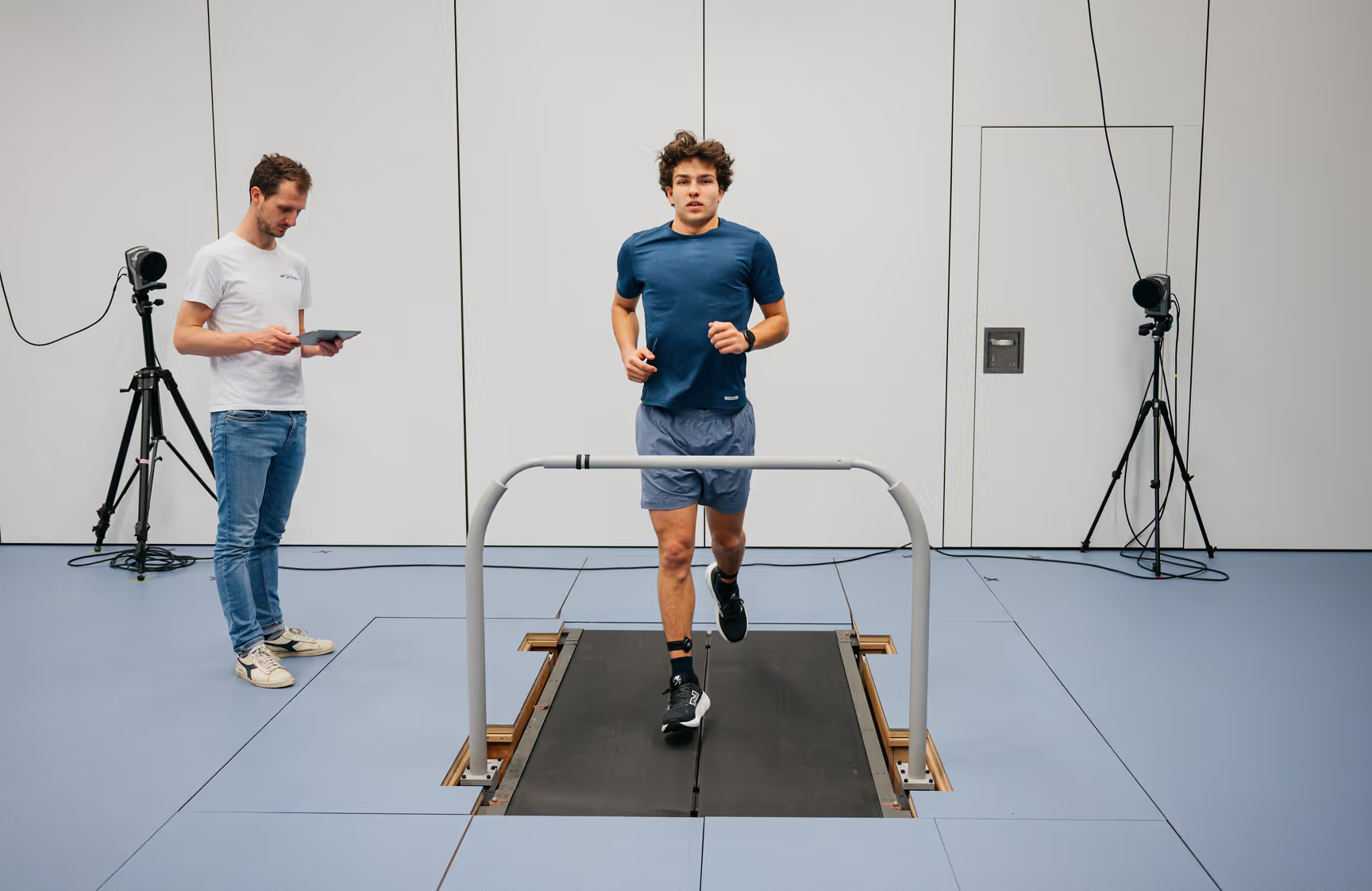
Let’s bring science outside the lab
We work with researchers to translate biomechanical and training load data into insights that matter in real-world running practice.
We work with researchers to translate biomechanical and training load data into insights that matter in real-world running practice.
Most innovative piece of running technology
Reliable method to track load during running outside lab setting
High societal relevance & scientific expertise
years scientific experience
data points analyzed every minute of your run
steps used for testing and validating algorithms

Most running injuries are overuse injuries. They happen when your load exceeds what your body can handle. Safe progression isn’t about avoiding high load, it’s about balancing load and tolerance to prevent injuries and recover smarter.
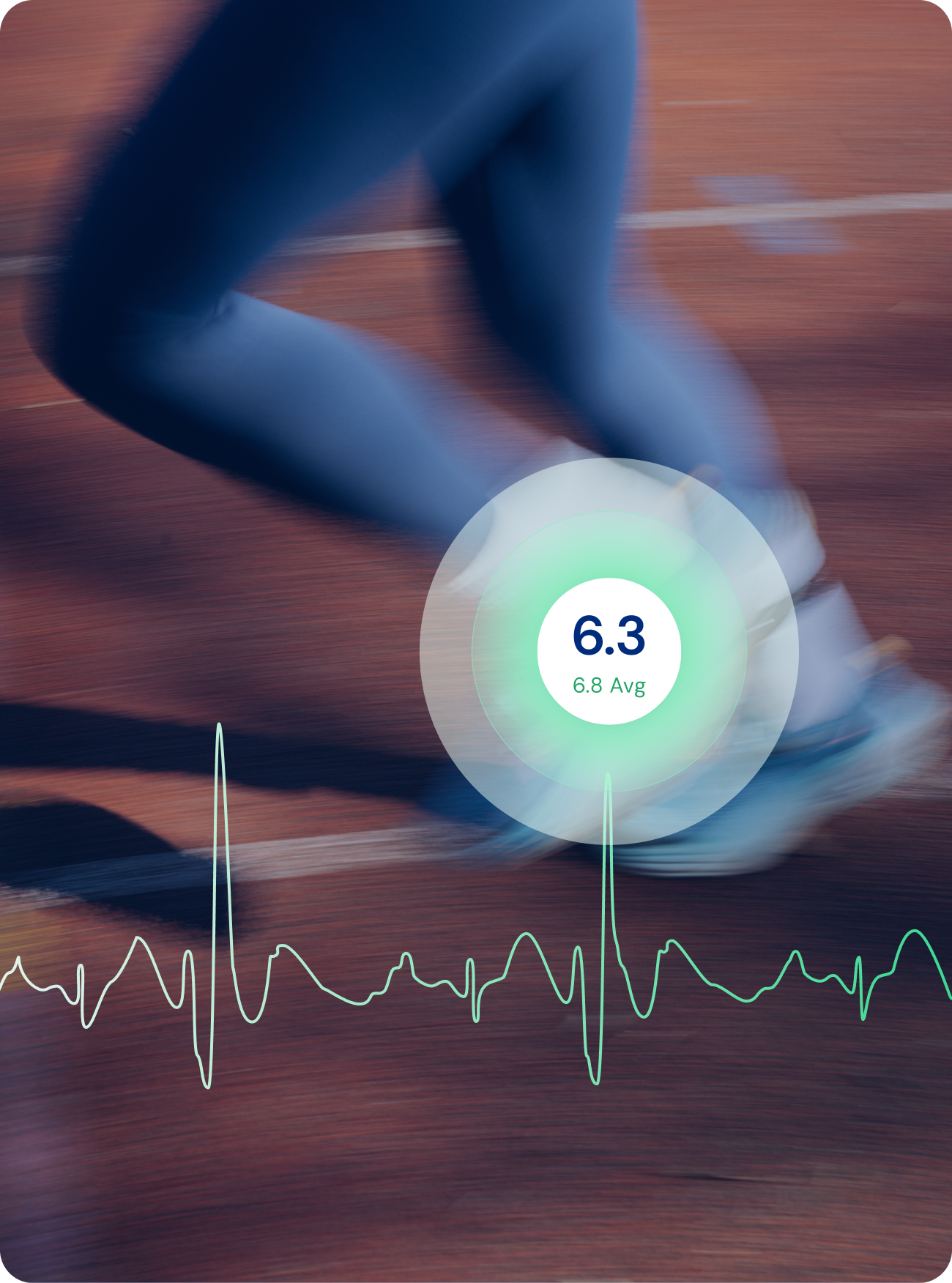
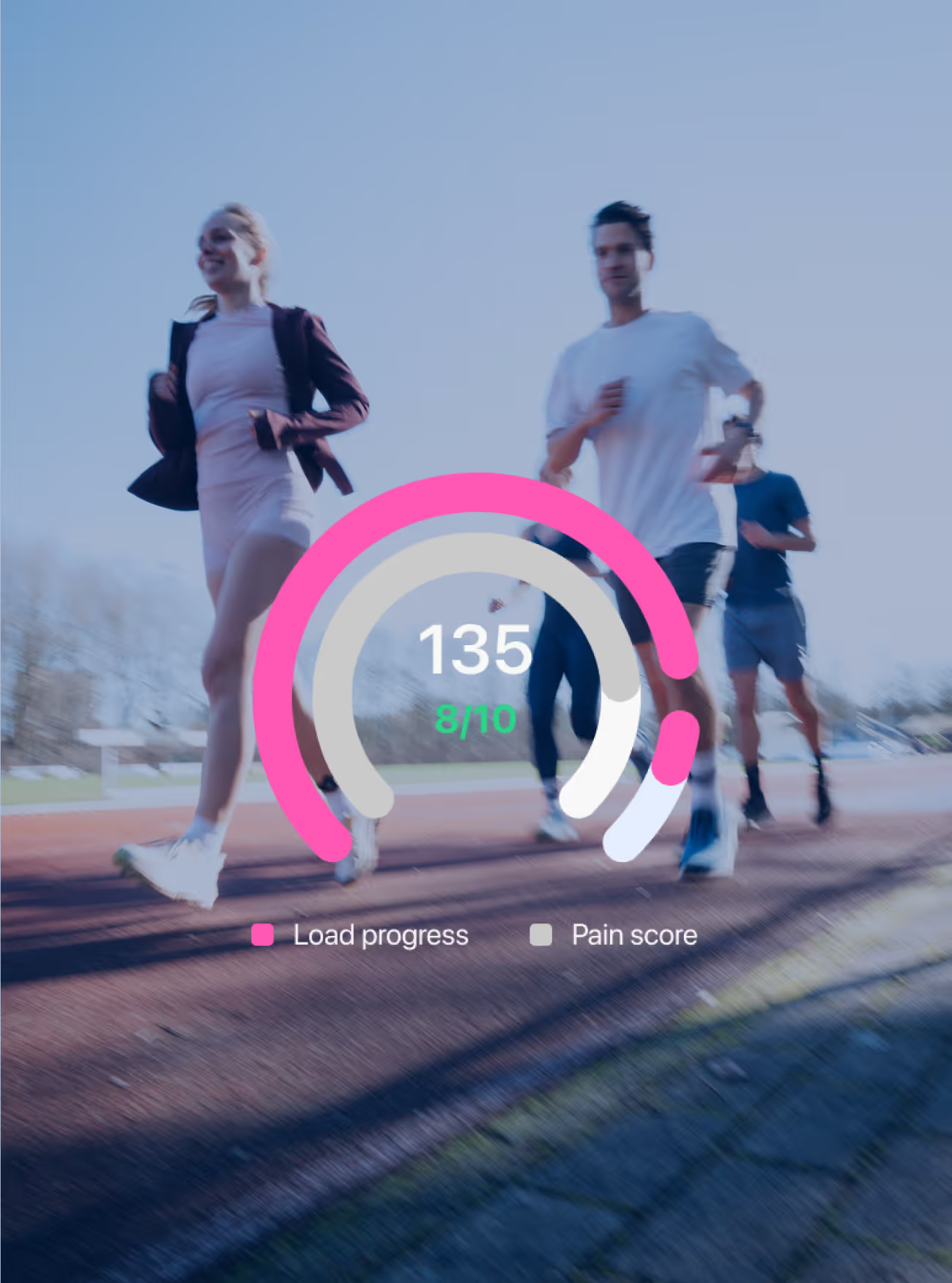
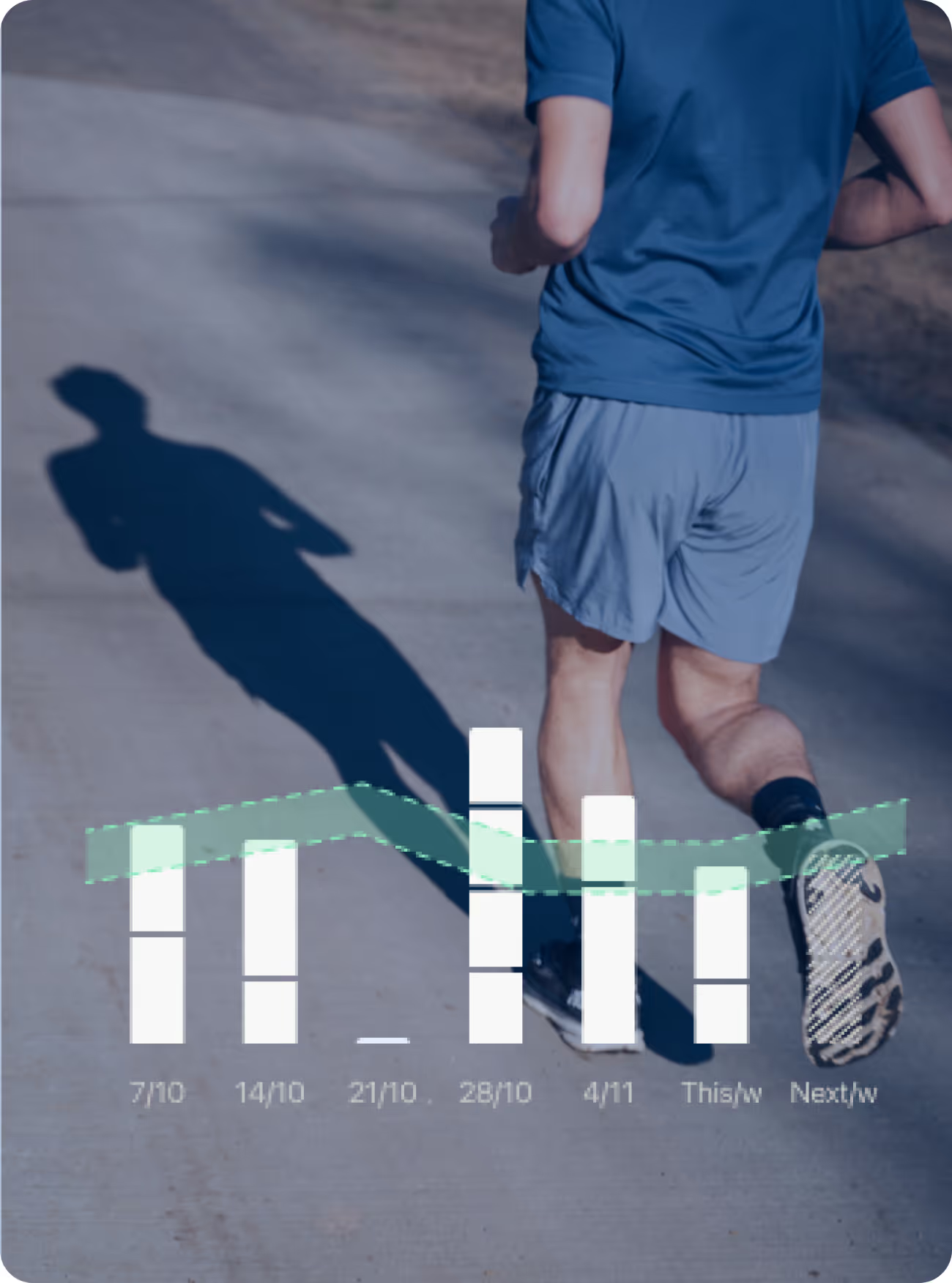
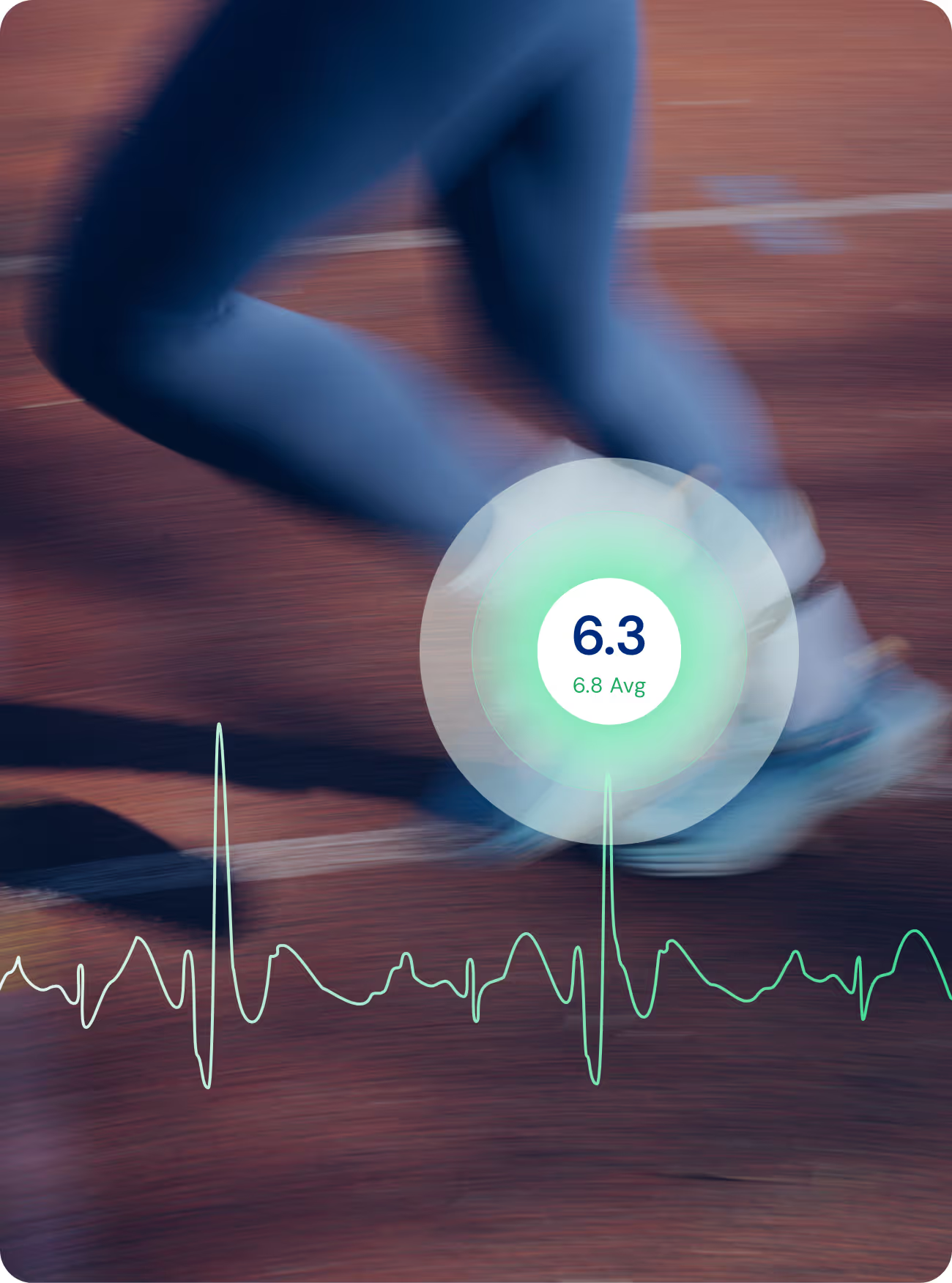
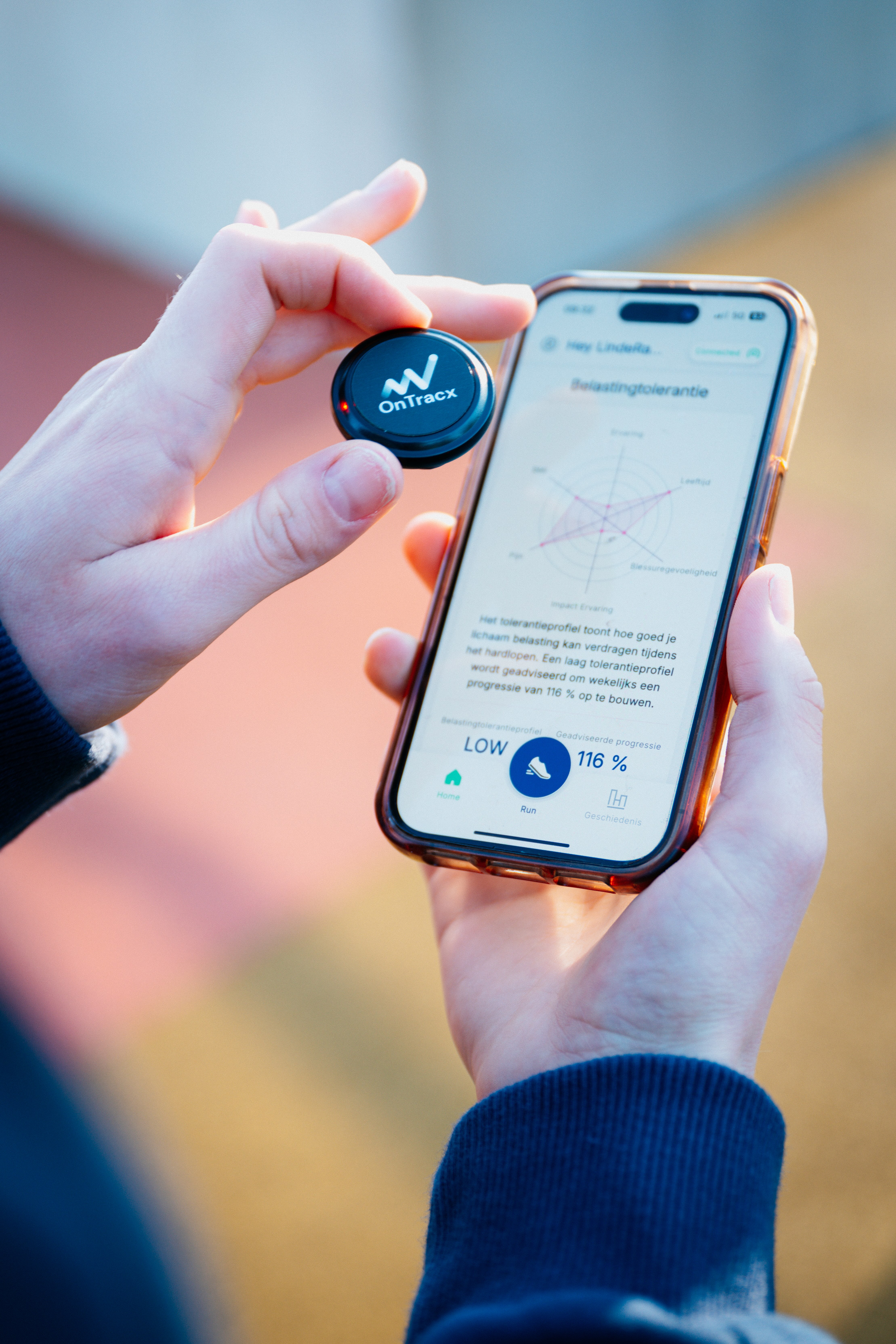
OnTracx quantifies impact load step by step.
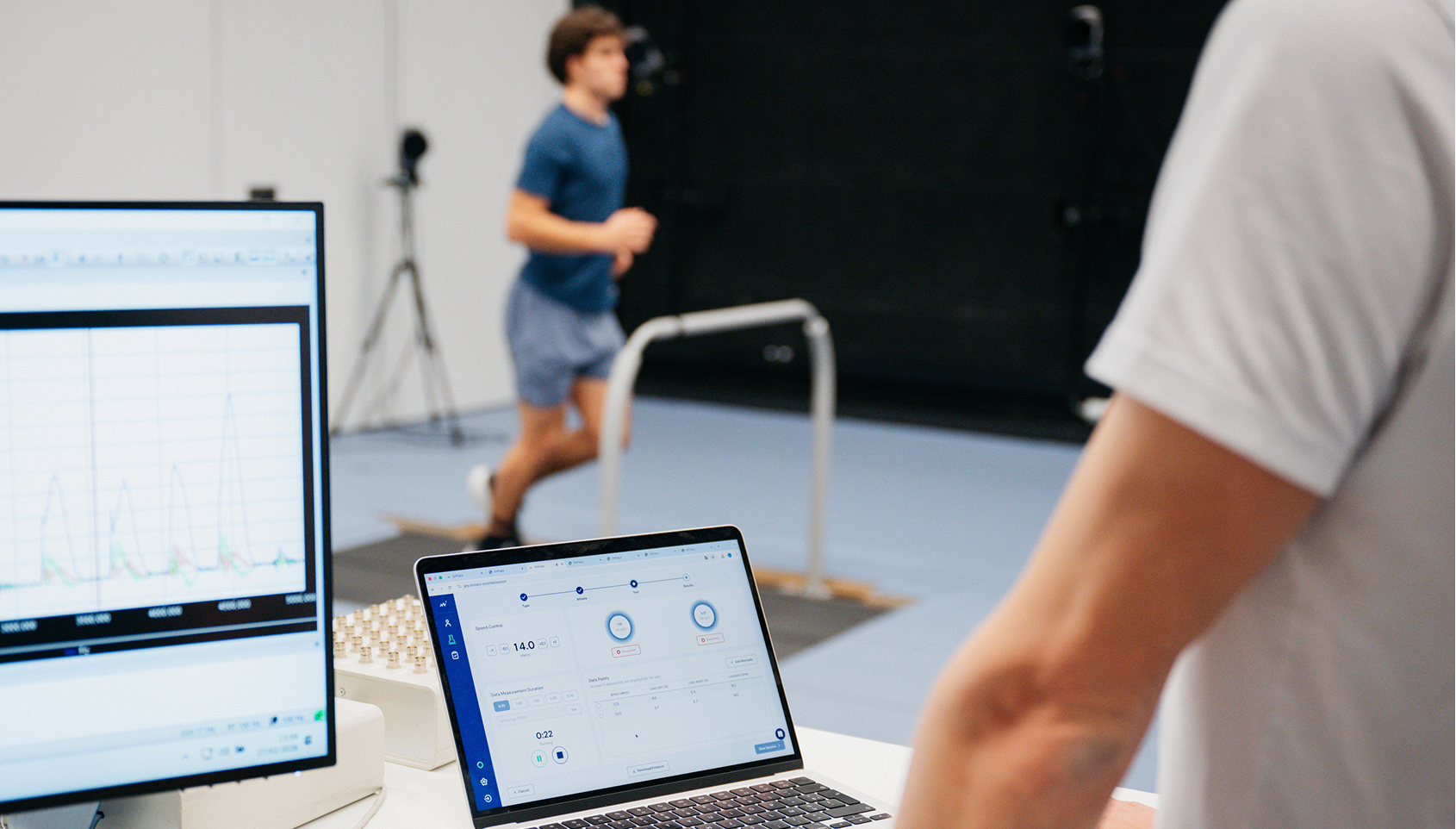
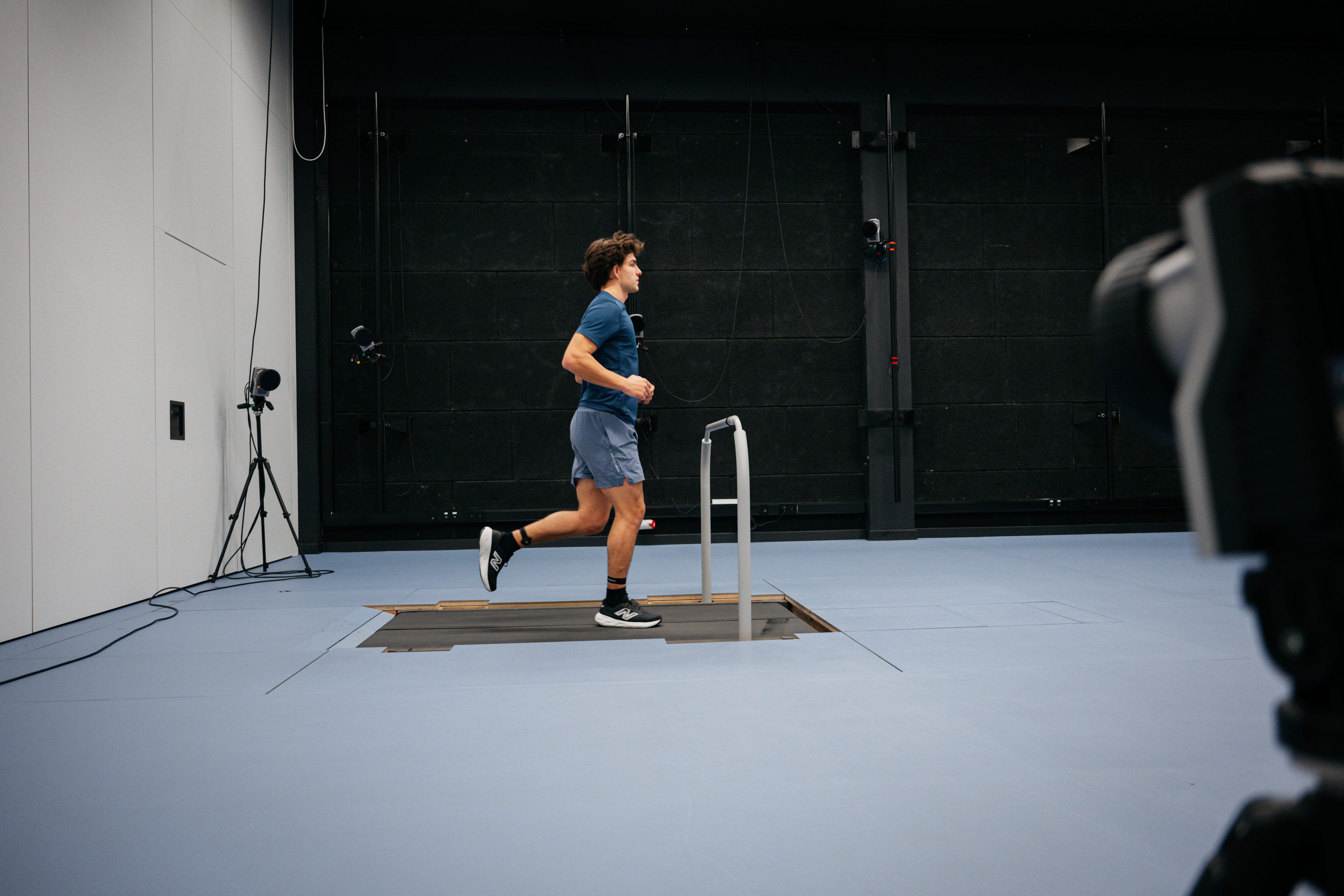
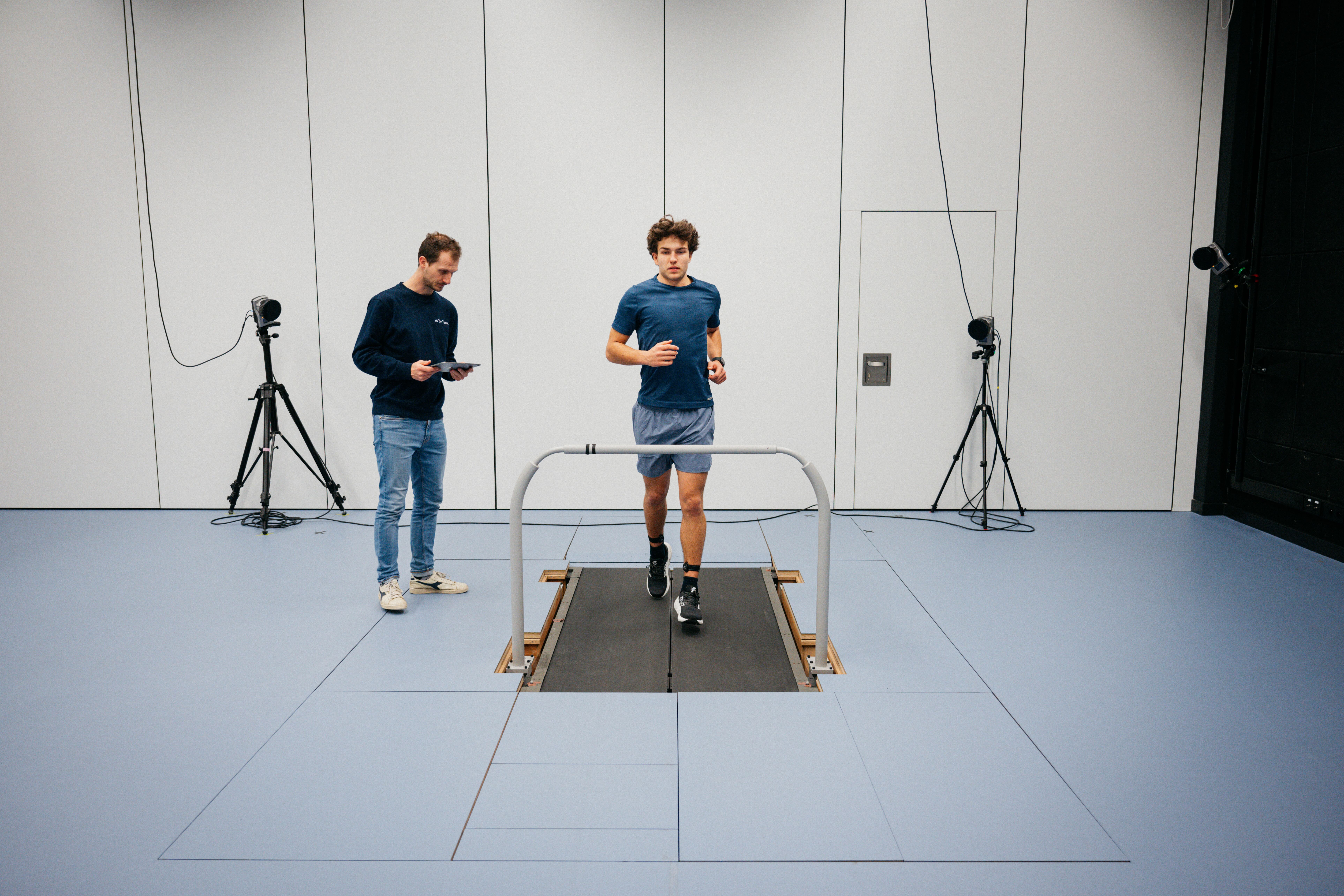
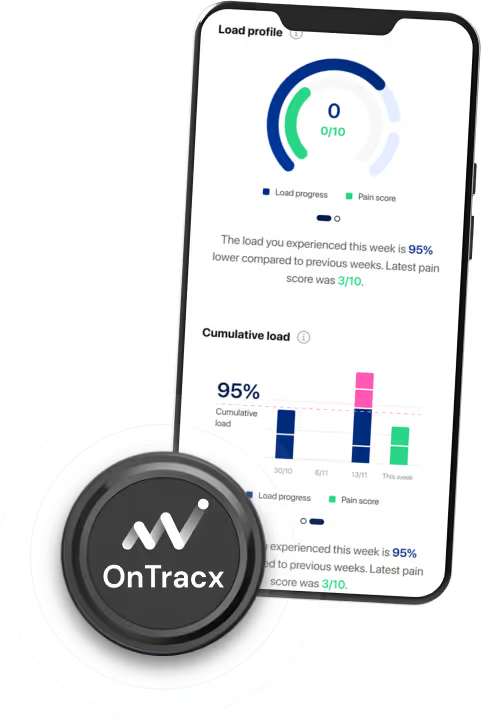
Using a lightweight sensor, we measure the biomechanical load your body experiences during every run. These measurements closely match gold-standard lab metrics, but now they work outdoors, in real life.
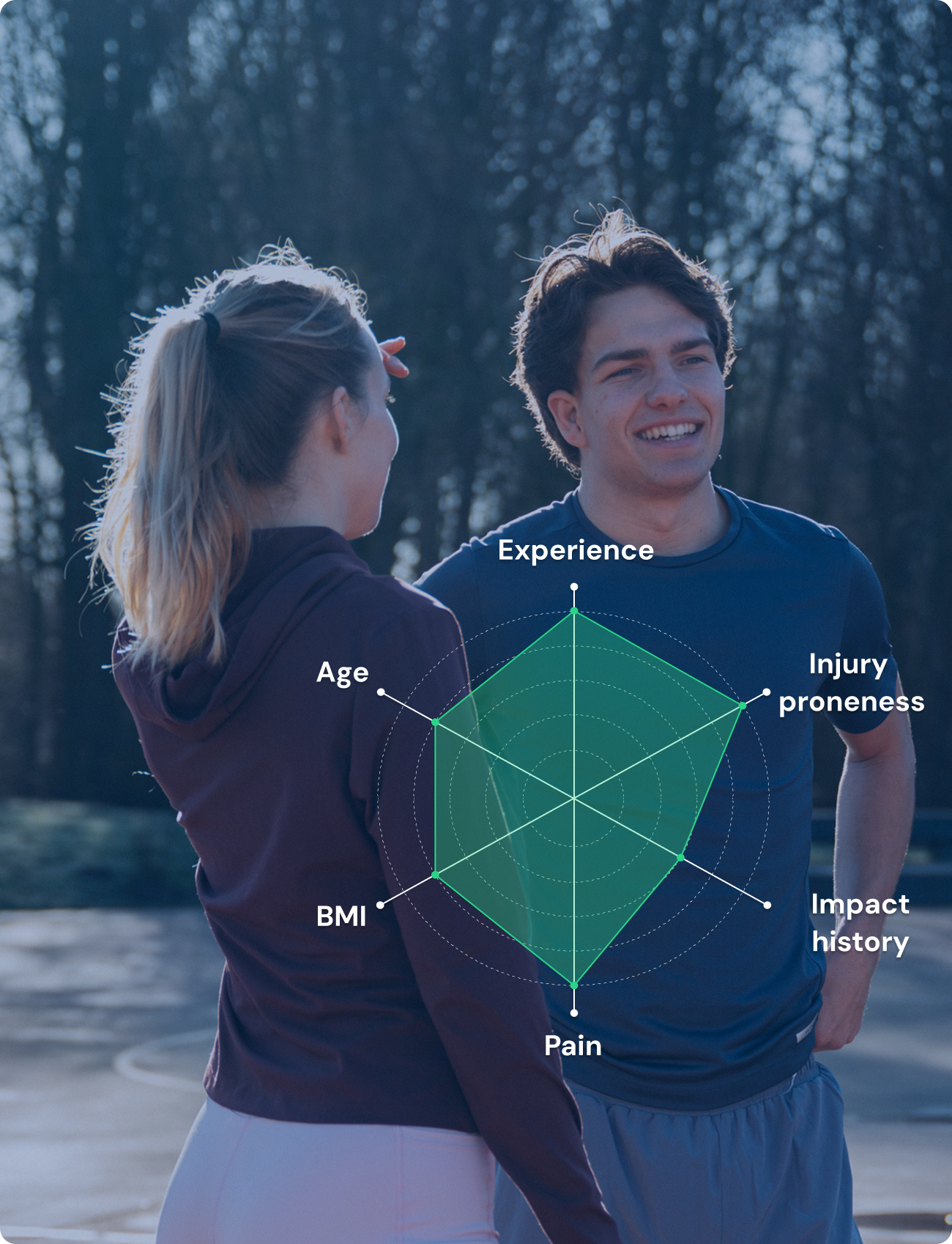
Load tolerance or load capacity, indicates how prone a runner is for sustaining an injury.
OnTracx classifies runners into low, medium, or high tolerance using evidence-based factors like age, experience, injury history, and current pain.
With this insight, you can distinguish runners who need to build up load gradually and from those who can increase their load more progressively.
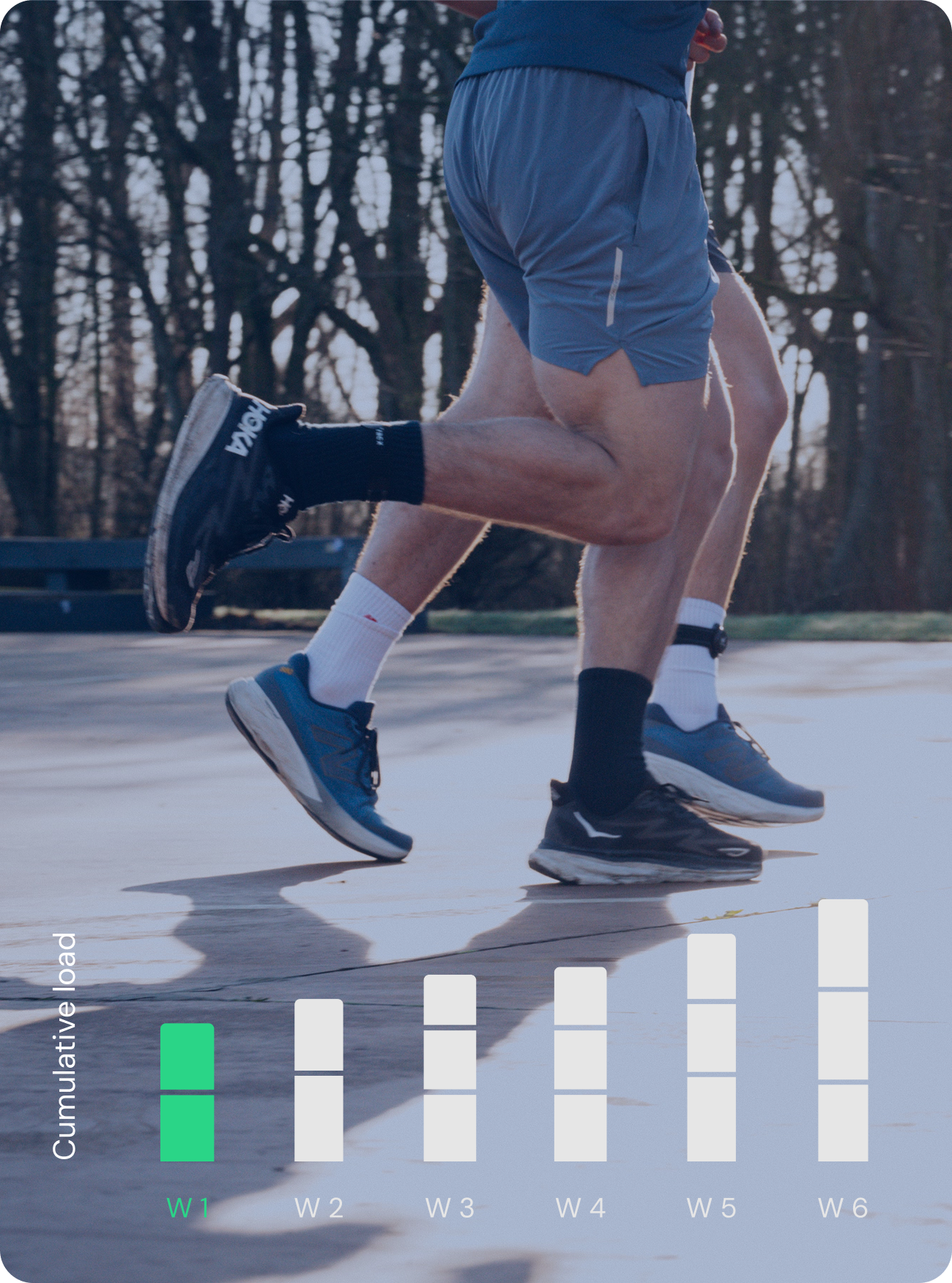
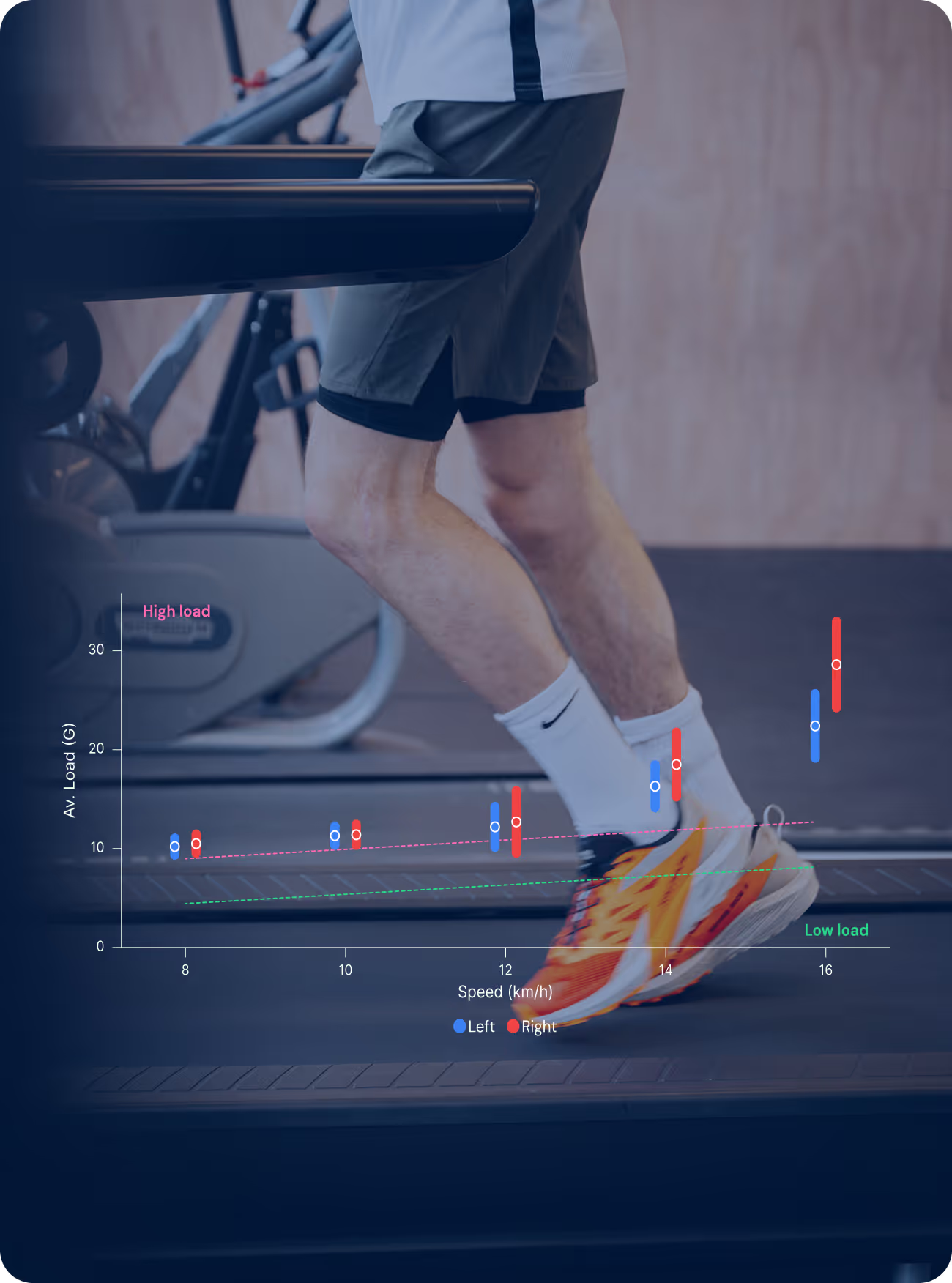
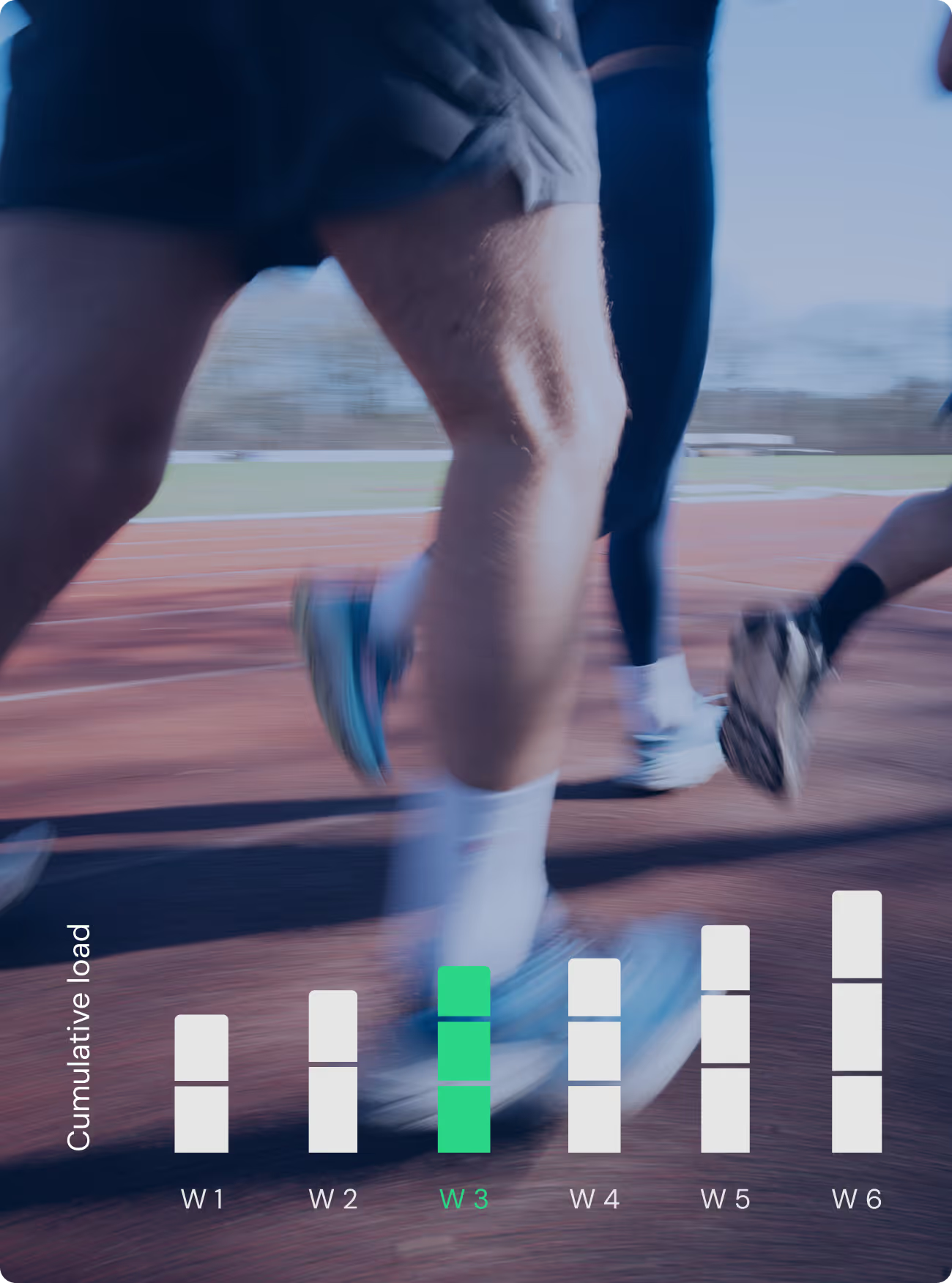
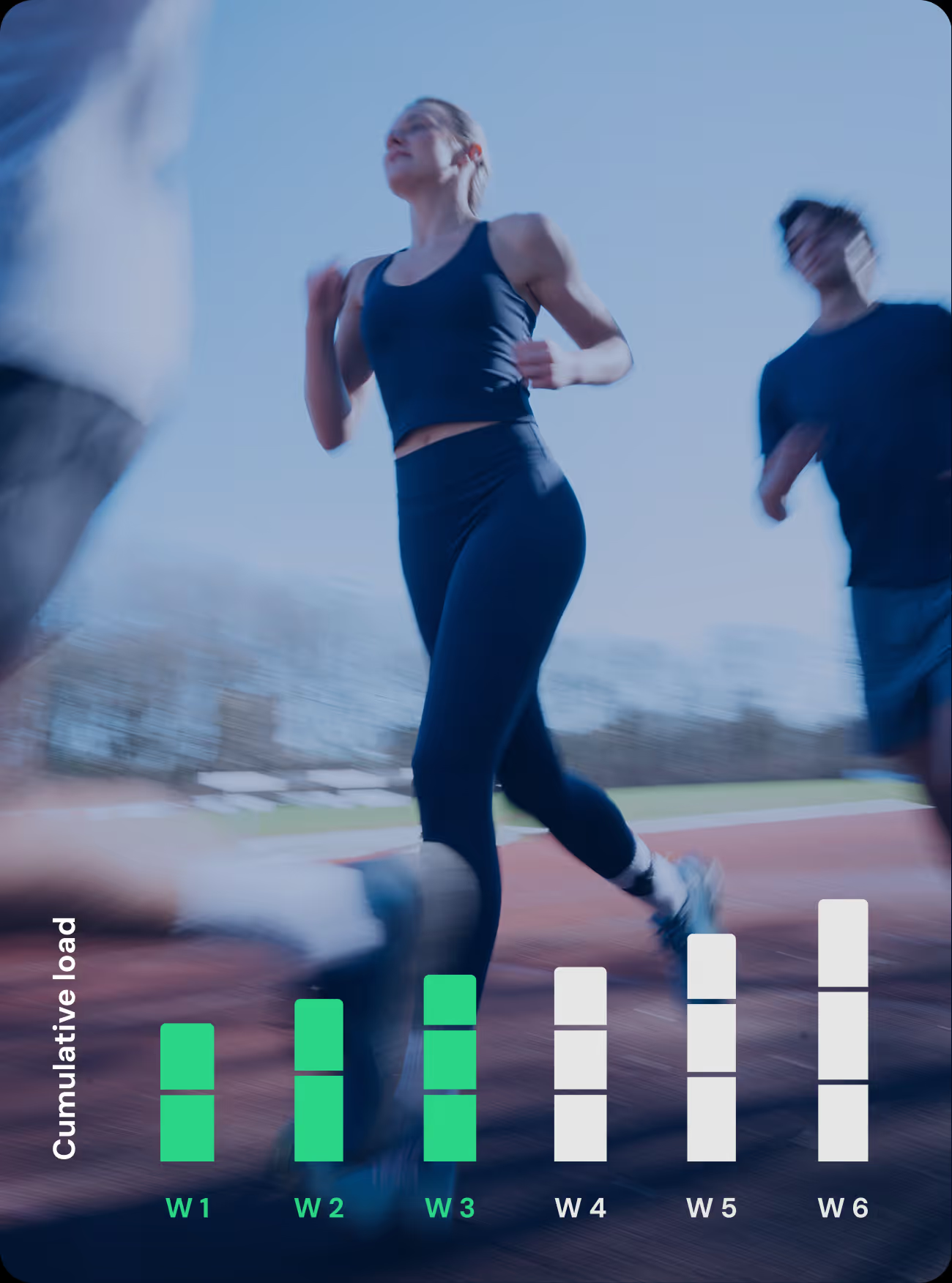
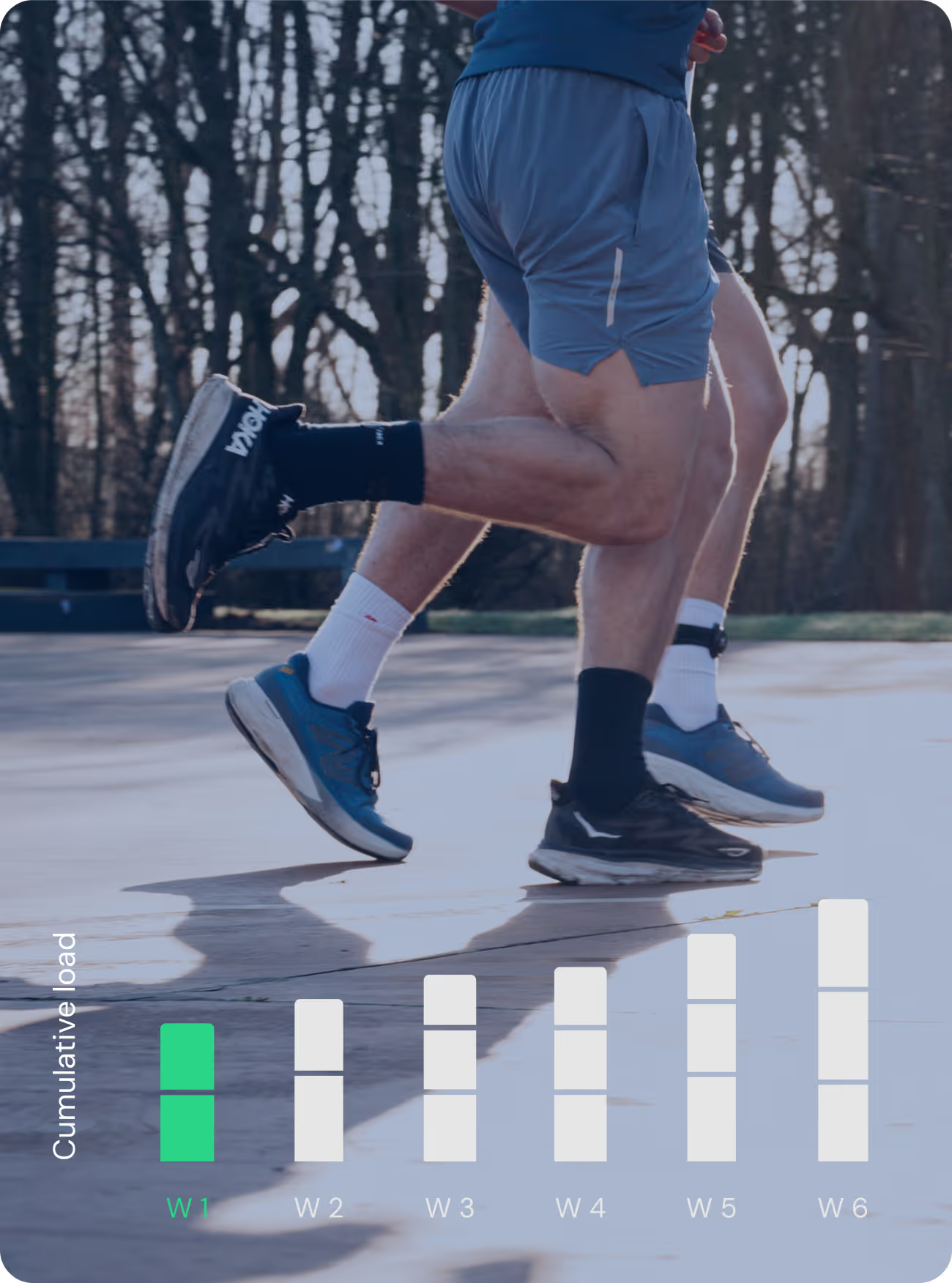
OnTracx translates load and tolerance into individualized, load-based return-to-run programs, designed for smart and controlled progression.
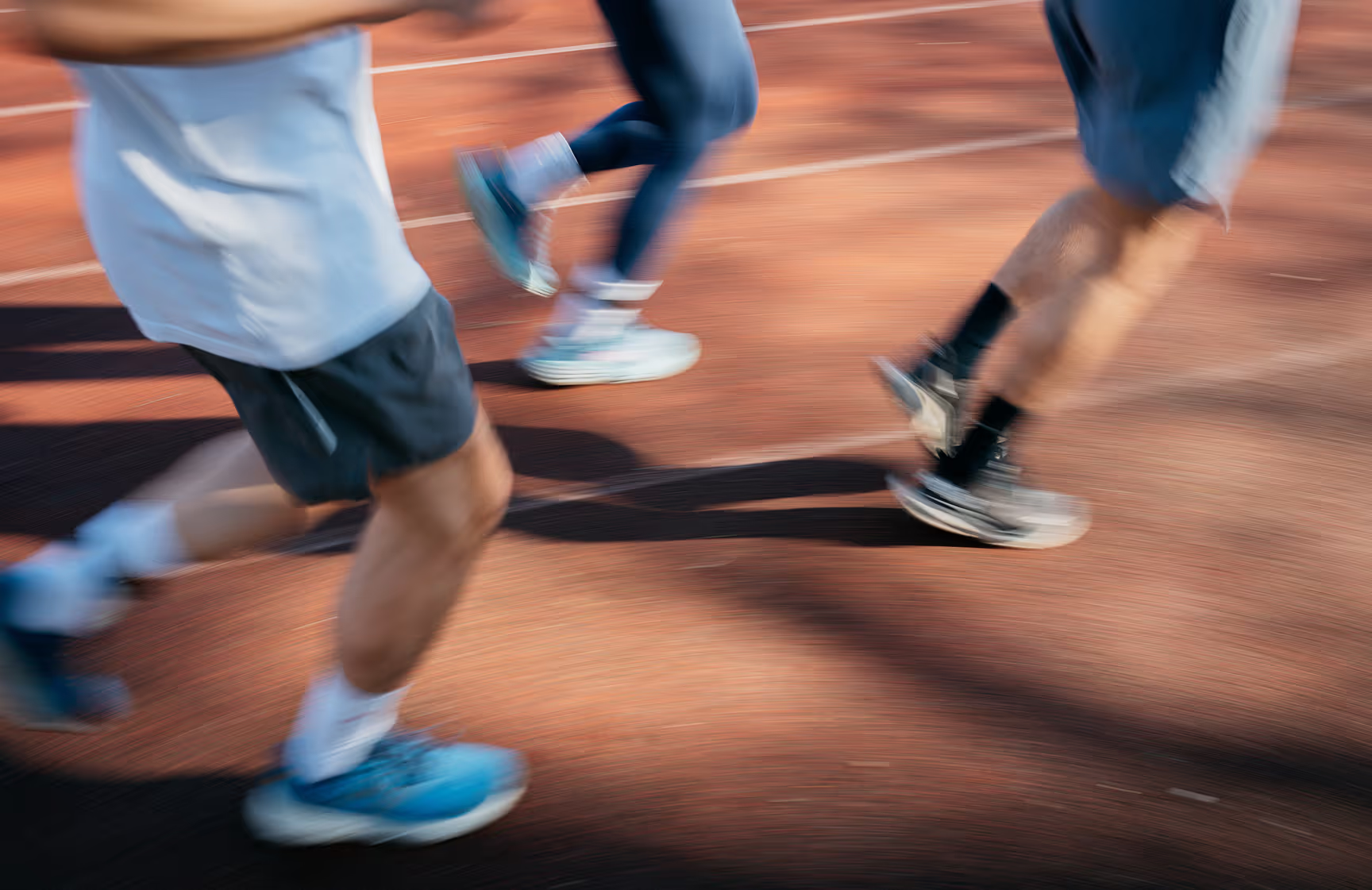
Built on rigorous research and real-world testing, our technology delivers reliable insights you can trust.
OnTracx is built on biomechanical principles, co-developed with professionals, and validated against laboratory references.
Explore our resources to understand how we measure load and provide actionable insights.